How do scenarios work?
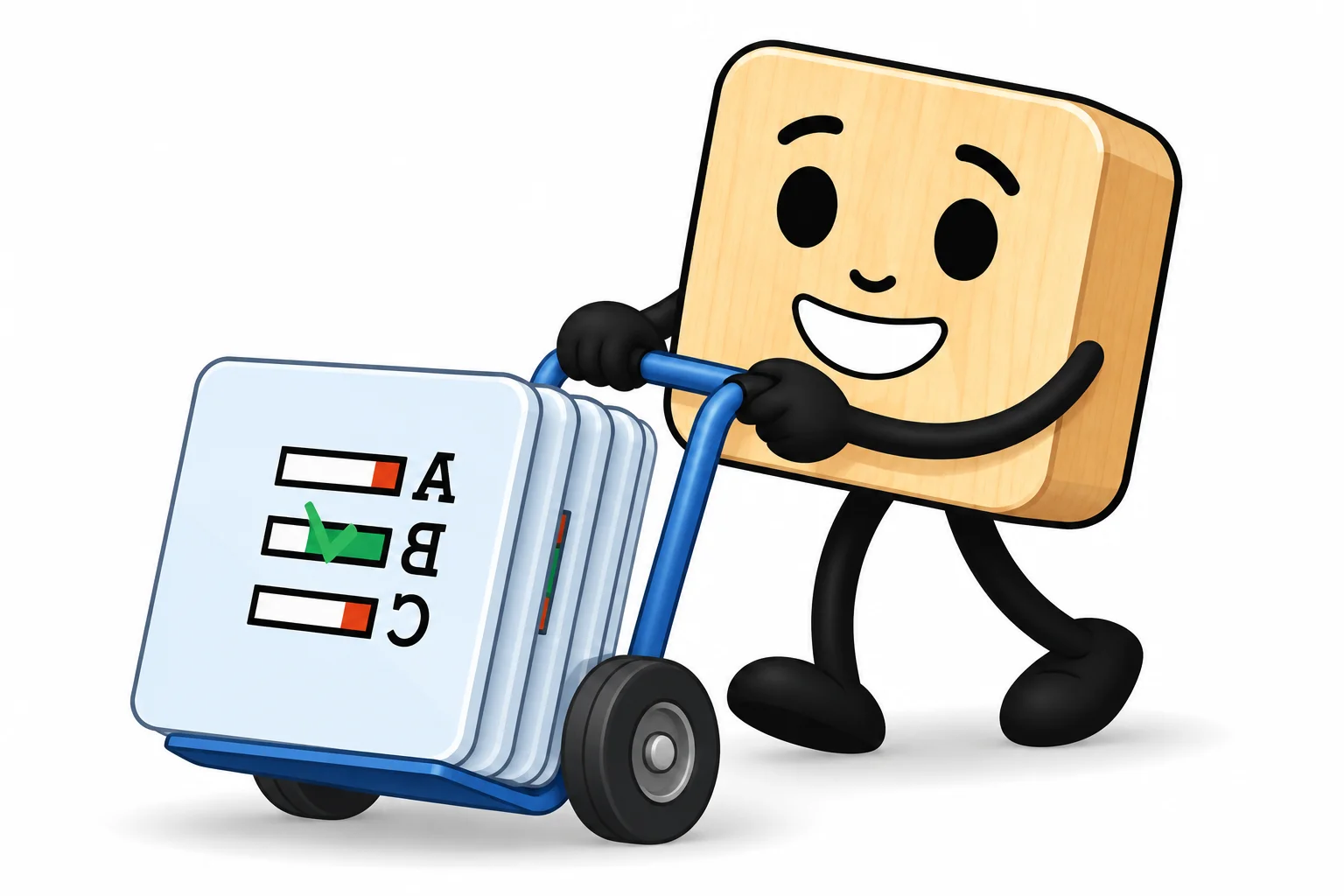
A smiling wooden tile pushes a hand truck loaded with quiz tiles

In a scenario, each scene feeds the next!

Everything the room sees on screen is a scene: the list of registered participants, a name picker, a quiz, a podium.

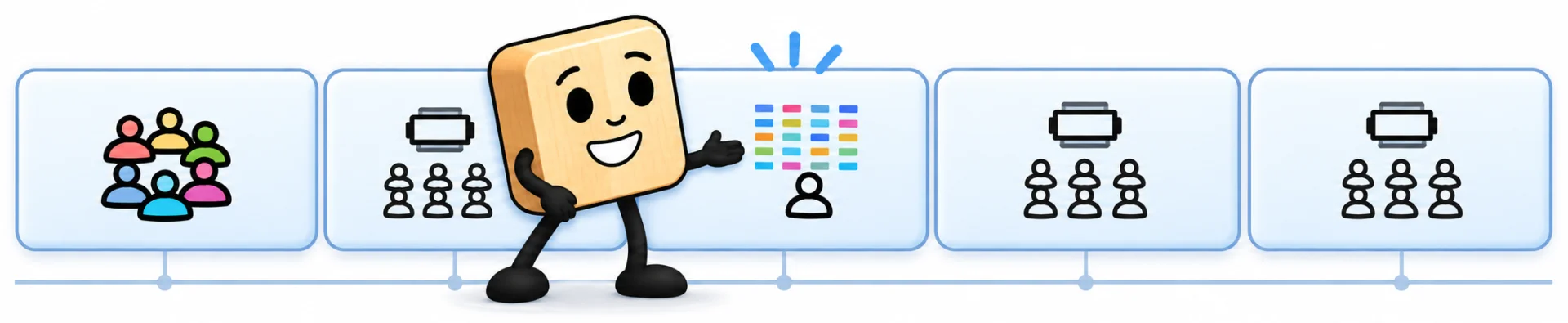
In a scenario, each scene receives what the previous one produced: registered participants go into a name picker, the winners of the draw are sent to the recap or to another draw, the teams formed on screen are sent into a quiz…

Ready-to-use scenarios

The site offers many scenarios, each with a preview.

In these scenarios, a scene can be swapped for another that behaves the same with a different look.

Once you have found the scenario that suits you, follow the steps given to use it.

Then the scenario is yours

The scenario arrives preconfigured in your studio. You can edit it and test it before the day of your event.

Add a scene, remove one, change the order, test it all with sample participants.

Of course, you can also start from an empty scenario and build it from scratch!

Missing a scene or a scenario?

Have a scene or a scenario in mind that many organizers would use? Ask us for it.
Share your ideas

Cinq scènes posées sur une même ligne, et le personnage qui montre celle du milieu

How do you add participants?

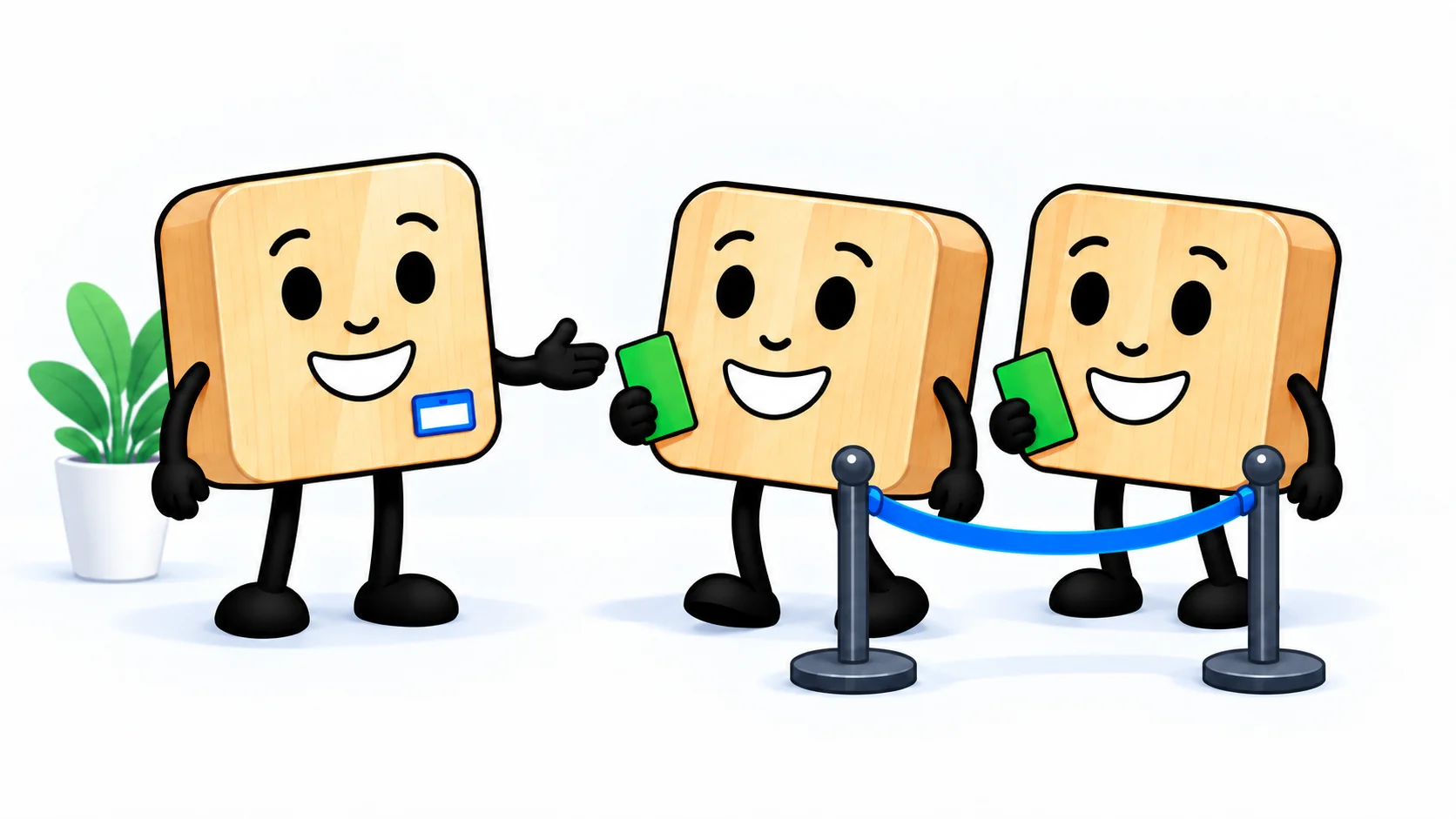
The organizer welcomes participants queuing up, phone in hand

Many scenarios need participants. By default, they are filled with sample participants. When you create your event, you replace them with your own.

There are several ways to add your participants, and you can combine them in a single event:

  • a list of names you type or paste,
  • a CSV file you import,
  • a QR code on screen, which they scan to sign up on their phone,
  • a kiosk in the room, where they sign up themselves,
  • a web form, to share or embed on your site,
  • the people who follow you on Facebook, Instagram or LinkedIn.

What about teams?

In our scenarios, a team is a participant that can contain, if you wish, other participants. For a quiz, for example, you can set two teams against each other, with participants in each.

What about raffle draws?

A raffle draw needs ticket numbers, not participants. You add them by range or number by number.